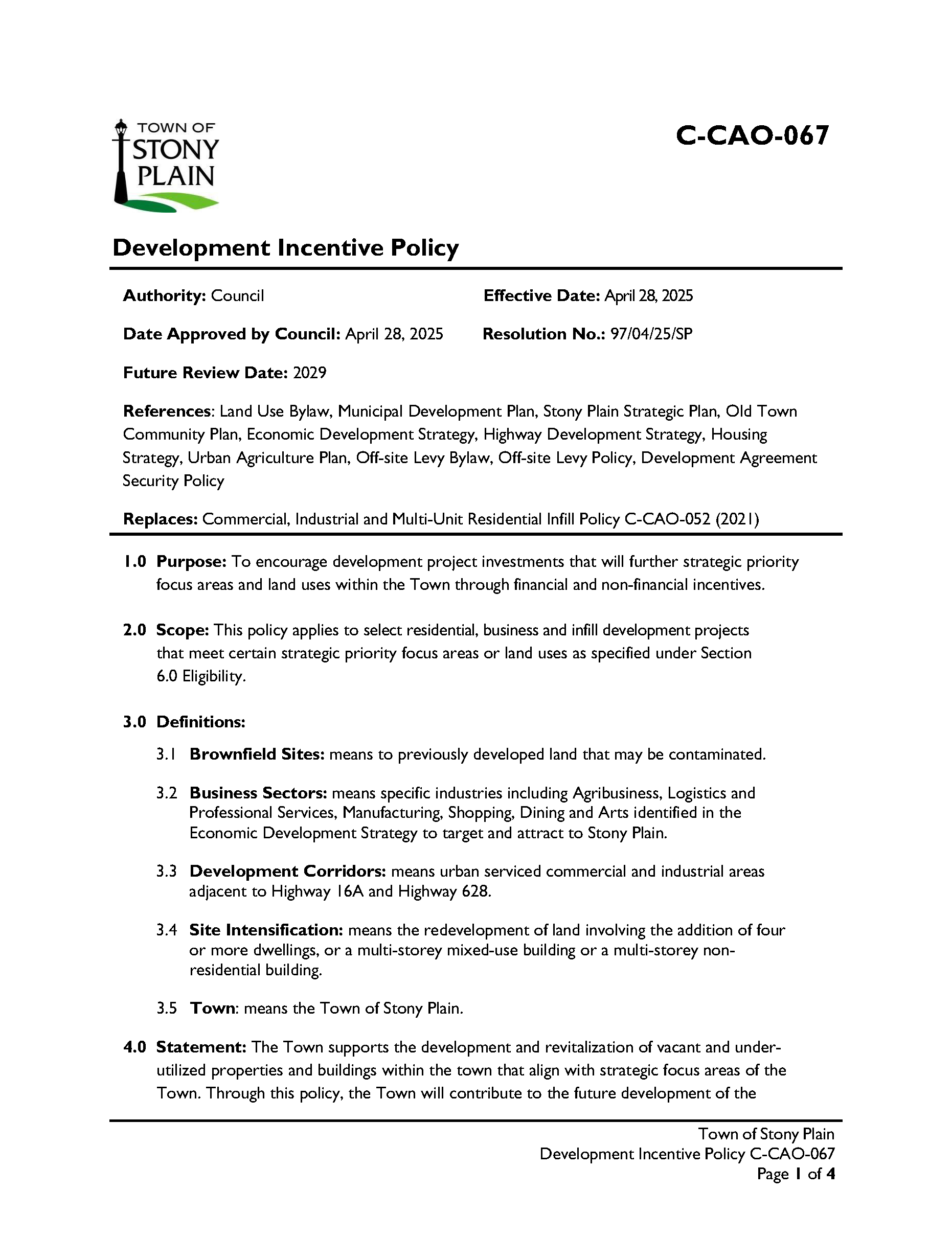
Development Incentive Policy Advisory
Prepared for the Town of Stony Plain, Alberta
UPL1FT supported the Town of Stony Plain in modernizing its development incentive framework through research, stakeholder engagement, and comparative municipal analysis.
Engagement Context
The Town initiated a review of its Commercial, Industrial, and Multi-Unit Residential Infill Policy to ensure alignment with evolving civic priorities and market conditions.
Objectives included strengthening housing diversity, encouraging infill and redevelopment, improving non-residential tax base growth, and enhancing clarity and usability of development incentives.
UPL1FT was retained through a formal municipal Request for Proposals process to provide independent policy advisory services prior to Council consideration of an updated Development Incentive Policy.
UPL1FT’s Role
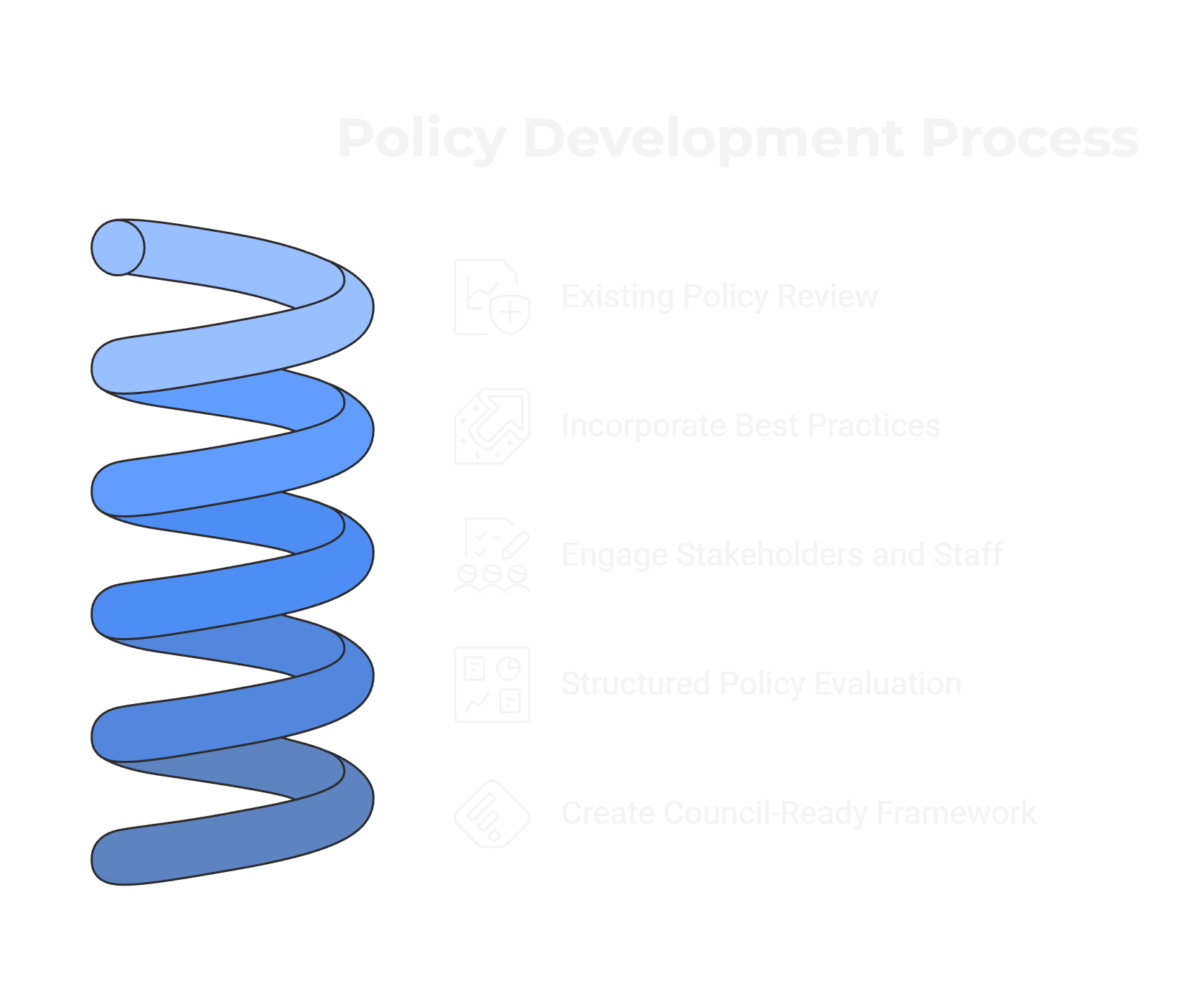
UPL1FT served as policy and development advisor, supporting Administration in evaluating and restructuring development incentives prior to Council adoption.
Scope included:
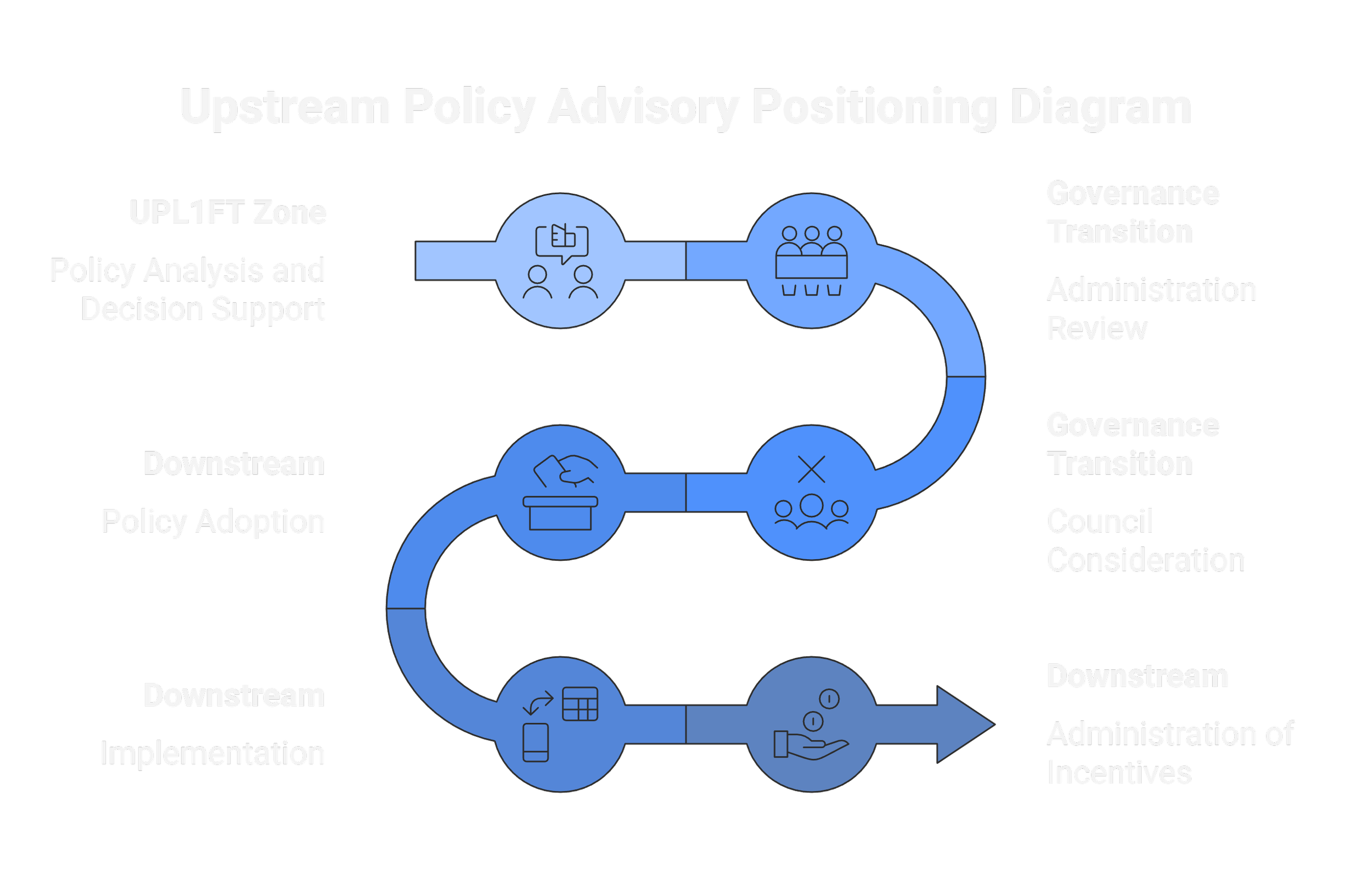
Review of the existing incentive and infill policy framework
Comparative analysis of peer municipal programs
Structured engagement with staff, developers, and stakeholders
Development of a revised incentive framework aligned with local objectives
Advisory support through Council consideration
The engagement prioritized policy clarity, administrative usability, and alignment with Stony Plain’s development context.
“The structured evaluation approach provided a clear, defensible basis for discussing development incentives at Council, without positioning the work as a final recommendation.”
“The ability to adjust priorities by development type helped balance economic and community considerations without oversimplifying the policy discussion.”
Methodological Approach
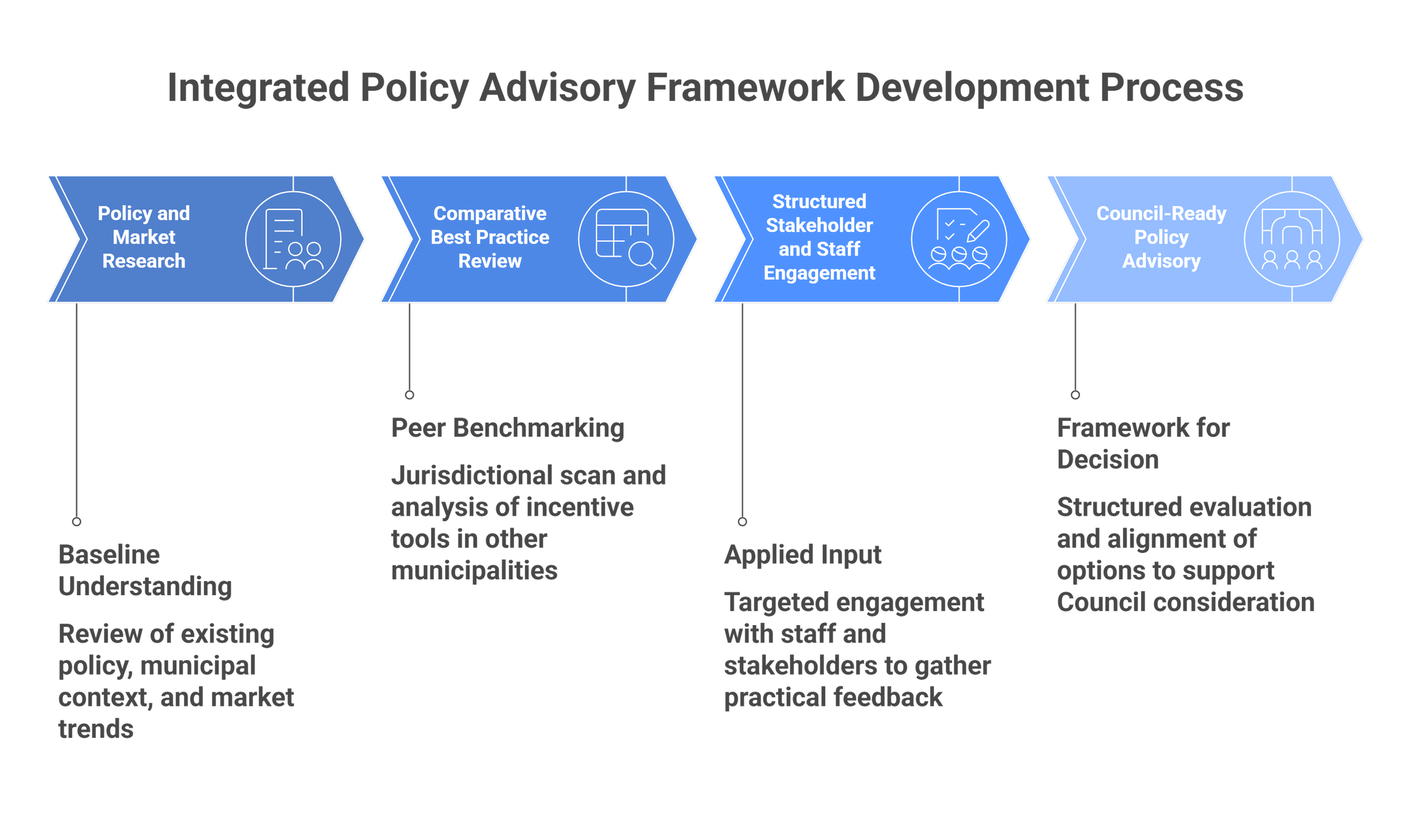
This assignment represented the first structured evaluation of the Town’s development incentive framework.
It integrated:
Policy and market analysis
Comparative municipal review
Structured stakeholder and staff engagement
Research findings and engagement feedback were combined to assess policy performance, identify gaps, and align incentives with Stony Plain’s housing, infill, and economic development objectives.
Policy Outcomes
Following this engagement, the Town of Stony Plain adopted Development Incentive Policy C-CAO-067 through its Council process.
The updated policy establishes a structured framework for evaluating and administering incentives across housing, infill, and business development priorities.
Public Policy Reference
Development Incentive Policy C-CAO-067, Town of Stony Plain